

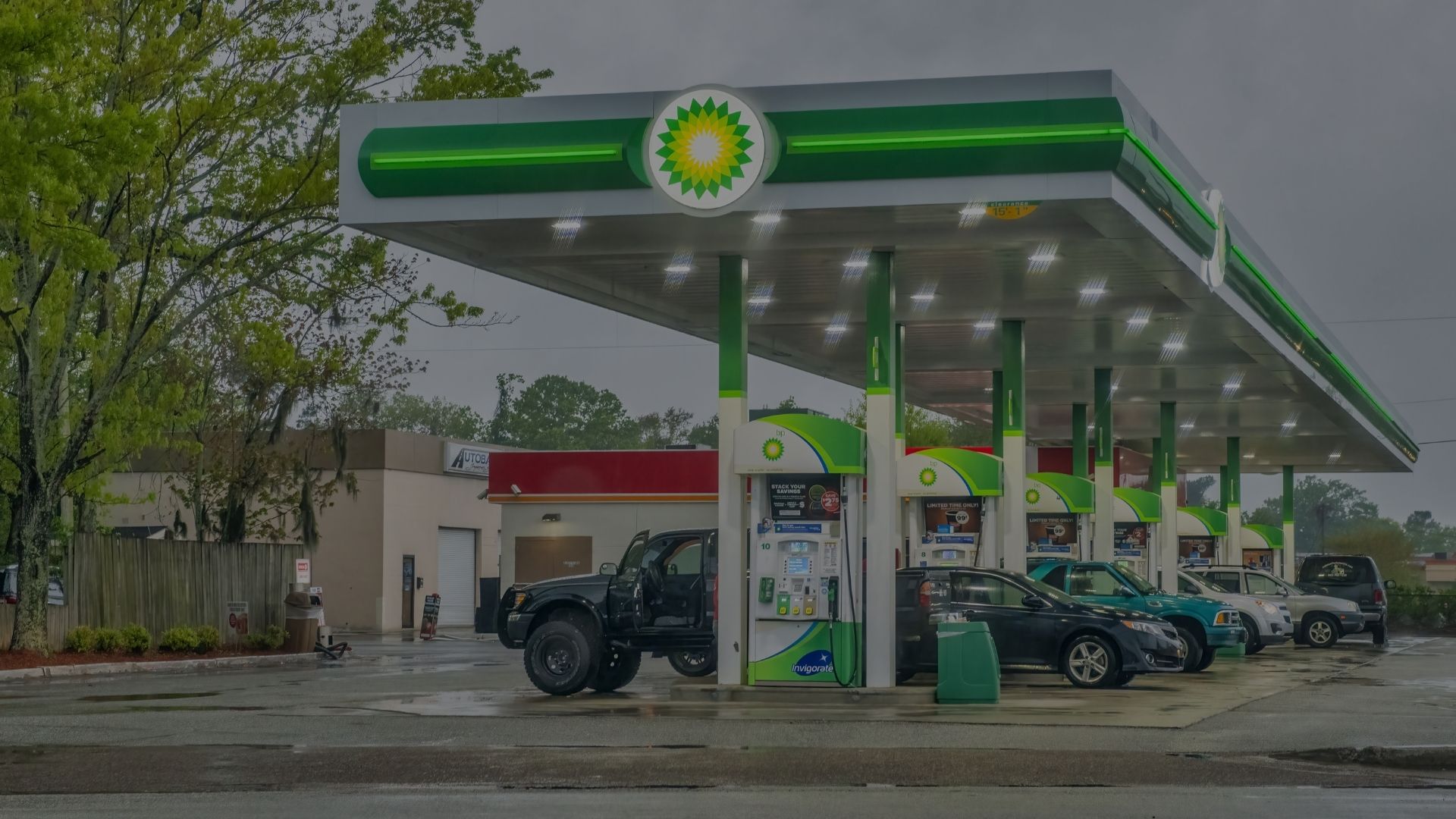
Complete Guide to LED Canopy Lighting for Fuel Stations
Understanding LED Technology
LED (Light Emitting Diode) technology represents a fundamental change in how light is produced, delivering dramatic advantages over traditional lighting methods.
How LED Lighting Works
Light Emitting Diodes:
LEDs produce light through electroluminescence:
- Electrical current passes through semiconductor material
- Electrons combine with electron holes
- Energy releases as photons (light)
- No filament to burn out
- No gas to excite or maintain
- Direct conversion of electricity to light
Versus Traditional Lighting:
Traditional methods waste most energy as heat:
- Incandescent: Heats filament until it glows (95% heat, 5% light)
- Metal halide: Electric arc excites gas (70% heat, 30% light)
- Highpressure sodium: Similar to metal halide, poor color
- LED: Direct light generation (20% heat, 80% light)
LED Advantages Explained
Energy Efficiency:
LEDs convert electricity to light efficiently:
- 130-150 lumens per watt typical for quality LEDs
- 80-100 lumens per watt for metal halide
- 60-70% less electricity for same light output
- Dramatically lower operating costs
- Reduced carbon footprint
Instant Operation:
No warmup or cooldown period:
- Full brightness immediately when switched on
- Can be turned on/off frequently without damage
- Ideal for motion sensors or controls
- No waiting for restrike after power interruption
Directional Light:
LEDs emit light in specific direction:
- No light wasted illuminating fixture interior
- Efficient delivery of light where needed
- Better uniformity and coverage
- Reduced light pollution and spill
Quality of Light:
Superior color rendering and consistency:
- High Color Rendering Index (CRI 7090 typical)
- Colors appear natural and true
- Better merchandise representation
- Improved security camera image quality
- Consistent color temperature over life
Durability:
Solidstate construction withstands harsh conditions:
- No fragile filaments or glass envelopes
- Resistant to vibration and impact
- Operates in extreme temperatures (40°F to 140°F+)
- Weatherresistant construction
- UV and corrosionresistant materials
Longevity:
Extremely long operational life:
- 50,000-100,000 hours typical (commercial grade)
- 1015+ years at 1214 hours daily operation
- Gradual dimming rather than sudden failure
- Predictable maintenance scheduling
- Dramatically reduced replacement costs
LED Technology Evolution
First Generation (2005-2012):
- High cost per lumen
- Limited brightness options
- Reliability concerns
- Color consistency issues
- Payback periods 5-7+ years
Second Generation (2013-2018):
Improved efficiency and brightness
- Better heat management
- More competitive pricing
- Enhanced reliability
- Payback 3-5 years
Current Generation (2019Present):
- Exceptional efficiency (150+ lumens/watt)
- Extreme longevity (100,000+ hours)
- Superior light quality
- Competitive installed costs
- Payback 1836 months typical
- Smart controls integration
- Color tuning capability
Modern LED technology has matured into a clearly superior lighting solution for fuel stations.
The Problem with Traditional Lighting
Understanding problems with existing lighting helps appreciate LED advantages.
Energy Waste
Massive Electricity Consumption:
Traditional canopy lighting uses enormous energy:
- 400W metal halide fixtures common (8-12+ fixtures typical)
- 3,200-4,800+ watts total canopy lighting
- Operating 1214 hours daily (dusk to dawn)
- 14,000-19,000+ kWh annually
- $1,800-$2,400+ annual electricity cost at $0.13/kWh3
Cooling Load:
Heat from lighting increases HVAC costs:
- 60-70% of electricity becomes heat
- Heat radiates into adjacent buildings
- Increased summer cooling requirements
- Additional $300-$800 annual cooling costs
Wasted Light:
Inefficient fixture design wastes generated light:
- Light trapped inside reflectors
- Poor distribution patterns
- Light pollution into sky
- Glare without useful illumination
- Maintenance Burden
Frequent Lamp Replacement:
Metal halide lamps have short lives:
- 15,000-20,000 hour rated life
- 3-4 years typical before failure at 12-14 hours daily
- Progressive light output degradation
- Complete fixture relamping every 34 years
Ballast Failures:
Electronic ballasts fail regularly:
- 5-7 year typical life
- Expensive to replace ($80-$150 per ballast)
- Often fail taking lamp with them
- Require electrical expertise to replace
Maintenance Costs:
Labor adds significantly to total cost:
- Bucket truck rental or lift equipment
- Electrician labor costs
- Traffic management during maintenance
- Business disruption
- Safety considerations
Typical Annual Maintenance:
- Lamp replacements: $400-$800
- Ballast replacements: $200-$600
- Labor and equipment: $500-$1,000
- Total: $1,100-$2,400 annually
Performance Degradation
Rapid Light Loss:
Metal halide degrades quickly:
- 20-30% light loss in first 6,000 hours
- 40-50% loss by end of rated life
- Inconsistent illumination across fixtures
- Progressively darker forecourt over time
Color Shift:
Light color changes over time:
- Warm color at installation
- Shifts toward blue or green
- Inconsistent color between fixtures
- Poor color rendering always (CRI 60-65)
Long WarmUp:
Significant delay to full brightness:
- 515 minutes to reach full output after power on
- Cannot be turned on immediately after turning off
- 1015 minute cooldown required before restrike
- Extended outage from momentary power interruptions
Safety and Security Concerns
Poor Illumination Quality:
Harsh, inconsistent lighting creates problems:
- Deep shadows and dark spots
- Glare reducing visibility
- Poor facial recognition for security
- Difficulty reading signage
- Customer discomfort and unease
Reduced Visibility:
Light degradation impacts safety:
- Progressively darker forecourt
- Harder to see spills or hazards
- Reduced security effectiveness
- Lower perceived safety by customers
Brand and Customer Experience
Unattractive Appearance:
Old lighting technology looks dated:
- Yellow or orange color unnatural
- Harsh shadows unflattering
- Dark appearance uninviting
- Competitive disadvantage vs modern stations
Poor Merchandise Representation:
Bad color rendering hurts instore sales:
- Food appears unappetizing
- Colors distorted and dull
- Merchandise looks lowquality
- Customers question freshness
LED Benefits and Advantages
LED technology delivers multiple advantages that compound to create exceptional value.
Dramatic Energy Savings
6080% Electricity Reduction:
LED uses fraction of traditional lighting power:
- 400W metal halide → 120-150W LED equivalent
- 8 fixtures: 3,200W → 9601,200W (62-70% reduction)
- 14,000 kWh/year → 4,2005,250 kWh/year
- $1,820/year → $550-$680/year electricity
- $1,140-$1,270 annual savings from energy alone
Lower Cooling Costs:
Reduced heat generation decreases HVAC load:
- 60-70% less heat from lighting
- Reduced summer cooling requirements
- $200-$560 additional annual savings
- Environmental comfort improvement
Demand Charge Reduction:
Lower peak demand reduces utility charges:
- Reduced kW demand during highcost periods
- Can lower demand charges 20-40%
- Additional $100-$400 annual savings for large operations
Total Annual Savings:
Combining all energy benefits:
- Lighting electricity: $1,140-$1,270
- Cooling reduction: $200-$560
- Demand charges: $100-$400
- Total: $1,440-$2,230 annually for typical 8fixture canopy
Eliminated Maintenance
50,000100,000 Hour Life:
Extreme longevity eliminates frequent maintenance:
- 10-15+ years before replacement needed
- No lamp changes
- No ballast replacements
- Predictable longterm performance
Maintenance Cost Savings:
Eliminated ongoing maintenance:
- Lamp replacement costs: $0 vs $400-$800/year
- Ballast replacement costs: $0 vs $200-$600/year
- Labor and equipment: $0 vs $500-$1,000/year
- Total maintenance savings: $1,100-$2,400 annually
Operational Benefits:
Beyond direct cost savings:
- No bucket trucks or lift equipment needed
- No traffic disruption for maintenance
- No electrician service calls
- Reduced insurance costs (less work at heights)
- Staff focus on business operations, not lighting
Superior Light Quality
High Color Rendering Index (CRI 70-90):
Colors appear natural and true:
- Food and merchandise look appealing
- Better brand color representation
- Improved security camera image quality
- Enhanced customer comfort
- Professional appearance
Consistent Color Temperature:
Choose appropriate light color:
- 4000K-5000K typical (neutral white)
- Matches daylight for natural appearance
- Consistent across all fixtures
- Stable throughout life
- No color shift over time
Uniform Illumination:
Better light distribution:
- Eliminates hot spots and dark areas
- Even illumination across forecourt
- Proper light levels at all locations
- Enhanced safety and security
- Better overall customer experience
Instant Full Brightness:
Immediate operation advantages:
- Full brightness when switched on
- No warmup period
- Can cycle on/off without damage
- Immediate recovery from power interruption
- Ideal for controls and automation
Enhanced Safety and Security
Better Visibility:
Improved illumination enhances safety:
- Clear visibility of forecourt area
- Easy identification of people
- Visible detection of spills or hazards
- Better security monitoring
- Reduced accident and liability risk
Reduced Shadows:
Even lighting eliminates hiding spots:
- Fewer deep shadows
- Better facial recognition
- Enhanced security camera effectiveness
- Increased customer sense of safety
- Actual safety improvement
Improved Camera Performance:
Better light quality helps security systems:
- Clearer security footage
- Better facial recognition
- Improved license plate reading
- Color accuracy for descriptions
- Enhanced overall security
Attractive Modern Appearance
Bright, Clean Appearance:
LED lighting looks professional:
- Bright white light inviting
- Clean, modern aesthetic
- Consistent illumination attractive
- Professional brand representation
- Competitive advantage over dated competitors
Enhanced Curb Appeal:
Station looks better from road:
- Bright, visible from distance
- Modern appearance attracts customers
- Wellmaintained appearance
- Property value enhancement
- Brand strength improvement
Better Merchandise Display:
Instore appearance improves:
- Natural color rendering
- Food looks fresh and appealing
- Merchandise appears quality
- Bright, inviting environment
- Increased sales potential
Environmental Benefits
Reduced Carbon Footprint:
Lower electricity consumption benefits environment:
- 6080% less electricity generation required
- Reduced carbon emissions
- Lower environmental impact
- Corporate sustainability goals
- Community environmental leadership
No Hazardous Materials:
LEDs contain no toxic substances:
- No mercury (unlike fluorescent)
- Safer disposal
- Reduced environmental risk
- Compliance with environmental regulations
Reduced Light Pollution:
Directional light reduces sky glow:
- Light directed where needed
- Less light pollution
- Reduced impact on wildlife
- Better neighbor relations
- Potential dark sky compliance
Energy Savings and ROI Analysis
Understanding financial benefits helps justify investment and plan projects.
Typical Fuel Station Example
Current Situation:
- 8 metal halide fixtures @ 400W each
- 3,200W total load
- 12 hours daily operation (dusk to dawn)
- 14,016 kWh annual consumption
- $0.13/kWh average electricity cost
- $1,822 annual electricity cost
- $1,200 annual maintenance cost
- $3,022 total annual operating cost
LED Upgrade:
- 8 LED fixtures @ 120W each
- 960W total load (70% reduction)
- 4,205 kWh annual consumption
- $547 annual electricity cost
- $50 annual maintenance cost (minimal cleaning)
- $597 total annual operating cost
Annual Savings:
- Energy: $1,275 (70% reduction)
- Maintenance: $1,150 (96% reduction)
- Total: $2,425 annually
Project Cost:
- LED fixtures and installation: $8,000-$12,000
- Utility rebate: $1,600-$2,400 (typical)
- Net investment: $5,600-$9,600
Payback Period:
- Net cost / Annual savings = Payback
- $5,600 / $2,425 = 2.3 years
- $9,600 / $2,425 = 4.0 years
- Typical payback: 24 years
10Year ROI:
- 10year savings: $24,250
- Net investment: $7,600 (average)
- Net 10year benefit: $16,650
- ROI: 219%
Variables Affecting ROI
Factors Improving ROI:
- Higher electricity rates (longer hours, higher $/kWh)
- More fixtures (larger absolute savings)
- Higher maintenance costs (older fixtures, difficult access)
- Larger utility rebates
- Lower installation costs (competitive bidding, simple installation)
Factors Reducing ROI:
- Lower electricity rates
- Fewer fixtures
- Lower maintenance costs currently
- No utility rebates available
- Higher installation costs (complex installation, access issues)
Beyond Simple Payback
Additional Financial Benefits:
Not captured in simple ROI:
- Increased property value (modern, efficient infrastructure)
- Reduced insurance costs (less maintenance work at heights)
- Reduced liability risk (better illumination, fewer accidents)
- Competitive advantage (modern appearance attracts customers)
- Potential sales increase (better merchandise display)
Avoided Future Costs:
LED upgrade prevents future expenses:
- Rising electricity rates (locked in savings)
- Increasing maintenance costs (aging fixtures)
- Complete fixture replacement (old technology reaching end of life)
- Utility peak demand charges (some markets)
Utility Rebates and Incentives
Many utilities offer substantial rebates for LED upgrades, dramatically improving project economics.
Understanding Utility Rebates
Why Utilities Offer Rebates:
Utilities benefit from reduced demand:
- Deferred infrastructure investment (less generation capacity needed)
- Reduced transmission losses
- Lower peak demand management costs
- Environmental compliance benefits
- Customer satisfaction improvement
Typical Rebate Structures:
Utilities use various rebate approaches:
- Perfixture rebates: Fixed amount per fixture replaced ($100-$300 typical)
- Perwattreduced rebates: Payment based on watts eliminated ($0.30-$1.00 per watt common)
- Percentage of project cost: 3050% of project cost up to maximum
- Custom rebates: For large or unique projects
New York Utility Programs
National Grid:
Serves Buffalo, Rochester, Syracuse areas:
- LED fixture rebates: $100-$300 per fixture typical
- Custom lighting rebates available
- Small business energy efficiency programs
- Free energy assessments available
NYSEG (New York State Electric & Gas):
Serves various New York regions:
- Commercial lighting rebates
- Custom rebates for larger projects
- Business incentive programs
- Energy analysis services
Rochester Gas & Electric:
Rochester area utility:
- Business energy efficiency programs
- Lighting upgrade incentives
- Custom project rebates
- Technical assistance available
Con Edison:
New York City and Westchester:
- Commercial and industrial programs
- Lighting incentives
- Custom rebates
- Substantial rebates for large projects
Typical Rebate Example
8Fixture Canopy LED Upgrade:
- Existing: 8 @ 400W = 3,200W
- New: 8 @ 120W = 960W
- Reduction: 2,240W
Rebate Calculation:
- Perwatt rebate: $0.50/watt (example)
- 2,240W × $0.50 = $1,120
- Or perfixture: $200 × 8 = $1,600
- Typical rebate: $1,000-$2,000
Impact on ROI:
- Project cost: $10,000
- Rebate: $1,500
- Net cost: $8,500
- Annual savings: $2,425
- Payback: 3.5 years vs 4.1 years without rebate
Accessing Rebates
Application Process:
- Contact utility energy efficiency department
- Describe project scope and equipment
- Obtain rebate application forms
- May require preapproval before purchase
- Install qualifying equipment
- Submit documentation (receipts, spec sheets)
- Inspection may be required
- Receive rebate payment (4-12 weeks typical)
Required Documentation:
- Existing fixture inventory and wattages
- New LED fixture specifications
- Proof of purchase and installation
- Before and after photos sometimes
- Electrician information and licensing
Working with Contractors:
Professional installers help with rebates:
- Familiar with utility programs
- Assist with application process
- Ensure qualifying equipment selected
- Provide required documentation
- Streamline approval process
Empire Petroleum Services assists customers with utility rebate applications, maximizing financial benefits of LED upgrades.
LED Fixture Selection
Choosing appropriate LED fixtures ensures optimal performance and longevity.
Key Selection Criteria
Light Output (Lumens):
Match output to existing levels or design requirements:
- 400W metal halide ≈ 12,000-15,000 lumens initial
- Degrades to 6,000-8,000 lumens by end of life
- 120-150W LED delivers 15,000-18,000 lumens
- Maintains 90%+ output throughout life
- Select based on desired maintained illumination
Color Temperature:
Choose appropriate light color:
- 3000K (warm white): Residential feel, rarely used for commercial
- 4000K (neutral white): Most popular for fuel stations, natural appearance
- 5000K (cool white): Bright, crisp, sometimes preferred for branding
- Consistency across all fixtures important
Color Rendering Index (CRI):
Higher CRI shows colors more accurately:
- 70+ minimum for canopy application
- 80+ preferred for better merchandise representation
- 90+ premium for exceptional color accuracy
- Balance CRI with efficiency (higher CRI may reduce efficiency)
Beam Pattern and Distribution:
Appropriate light distribution:
- Type III distribution common for canopy (medium spread)
- Type IV for wider spread if needed
- Uniform illumination across forecourt
- Proper light levels at edges
- Reduced glare and light trespass
Wattage and Efficiency:
Balance light output with energy consumption:
- 120-150W typical for 400W metal halide replacement
- 150+ lumens per watt minimum efficiency
- Higher efficiency = lower operating cost
- Don't overlight (wastes energy and creates glare)
Housing and Construction:
Durable construction for harsh environment:
- Diecast aluminum housing (corrosion resistant)
- Powdercoated finish
- IP65 or better weatherproofing
- Impactresistant lens
- Gasketsealed to prevent moisture intrusion
Operating Temperature Range:
Function in extreme weather:
- 40°F to 140°F+ operation
- Critical for New York winters
- Heat management for summer operation
- Reliable operation yearround
Dimming Capability:
Controllability for future needs:
- 0-10V dimming standard
- Allows future control implementation
- Energy savings through reduced overnight levels
- Maintain fixture compatibility
Certifications and Standards
Required Certifications:
- UL or ETL Listed: Safety certification required
- DLC Premium: DesignLights Consortium certification for efficiency
- IP65 or better: Water and dust ingress protection
- 5year warranty minimum: Manufacturer confidence in quality
DLC Premium Certification:
Important for rebates and quality assurance:
- Thirdparty verification of performance
- Required for most utility rebates
- Ensures efficiency standards met
- Quality and longevity standards
- Regular testing and verification
Brand and Quality Considerations
CommercialGrade Fixtures:
Avoid residential or economygrade products:
- Designed for 24/7 operation
- Better heat management
- More durable construction
- Reliable longterm performance
- Proper warranty and support
Reputable Manufacturers:
Select established LED manufacturers:
- Proven track record in commercial applications
- Strong warranty support
- Readily available replacement parts
- Longterm company viability
- Technical support availability
Warranty Coverage:
Minimum 5year warranty standard:
- Covers fixtures and drivers
- Clear warranty terms
- Responsive warranty service
- Local warranty support preferred
EPS LED Fixture Recommendations
Empire Petroleum Services selects fixtures meeting stringent criteria:
- DLC Premium certified
- 5year minimum warranty
- Proven performance in fuel station applications
- Competitive pricing
- Local warranty support availability
- Appropriate for New York climate
We work with multiple quality manufacturers to provide best value for each project.
Installation Approaches
Different installation methods suit different situations and budgets.
Retrofit Installation (Most Common)
What It Is:
Replace existing fixtures with new LED fixtures:
- Remove old metal halide fixtures completely
- Install new LED fixtures in same locations
- Reuse existing electrical infrastructure
- Minimal disruption to canopy structure
Advantages:
- Complete replacement with modern fixtures
- Latest LED technology
- Full manufacturer warranty
- Clean, professional appearance
- Maximum energy savings
Disadvantages:
- Higher upfront cost than retrofit kits
- More installation labor
- Disposal of old fixtures required
Best For:
- Fixtures 15+ years old
- Poor condition existing fixtures
- Maximum performance desired
- Longterm investment approach
- New construction or major renovation
Typical Cost:
- LED fixtures: $250$500 each
- Installation labor: $100-$200 per fixture
- Total: $350-$700 per fixture installed
- 8fixture canopy: $2,800-$5,600
LED Conversion Kits (Economy Option)
What It Is:
Convert existing fixture to LED:
- Remove old lamp and ballast
- Install LED retrofit kit in existing housing
- Reuse existing fixture housing
- Utilize existing electrical connections
Advantages:
- Lower upfront cost
- Faster installation
- Less waste (reuse housings)
- Good for newer fixtures
Disadvantages:
- Limited by existing fixture design
- Potentially suboptimal performance
- Warranty may be limited
- Housing condition affects results
- May not last as long as new fixture
Best For:
- Newer fixture housings in good condition
- Tight budget constraints
- Quick payback required
- Temporary solution before full replacement
Typical Cost:
- LED retrofit kits: $100-$200 each
- Installation labor: $75-$125 per fixture
- Total: $175-$325 per fixture
- 8fixture canopy: $1,400-$2,600
Complete Canopy Replacement
What It Is:
Replace entire canopy with new structure and LED lighting:
- Remove old canopy completely
- Install new modern canopy
- LED lighting integrated into new design
- Complete transformation
Advantages:
- Modern appearance and branding
- Optimized lighting design
- Structural improvements
- Maximum curb appeal
- Longterm solution
Disadvantages:
- Highest cost
- Most disruption during installation
- Permits and approvals required
- Extended project timeline
Best For:
- Old or deteriorated canopies
- Station rebranding or renovation
- New construction
- Maximum impact desired
- Longterm property investment
Typical Cost:
- Complete canopy replacement: $40,000-$100,000+
- Includes structure, lighting, electrical
- LED fixtures included in project
- Comprehensive solution
EPS Recommended Approach
For most fuel stations, complete fixture replacement offers best value:
- Modern LED technology
- Maximum energy savings
- Lowest longterm cost
- Clean, professional installation
- Full warranty coverage
- 15+ year solution
LED conversion kits appropriate for:
- Newer fixtures in excellent condition
- Extremely tight budgets
- Bridge solution before planned renovation
Installation Process
Understanding installation helps you plan and prepare for the project.
Phase 1: PreInstallation (12 weeks before)
Site Assessment:
- Document existing fixture count, type, and condition
- Measure light levels (optional but recommended)
- Photograph current installation
- Assess electrical infrastructure
- Identify any access challenges
- Plan installation approach
Equipment Procurement:
- Order LED fixtures and materials
- Verify delivery timeline (24 weeks typical)
- Inspect fixtures upon delivery
- Organize materials for installation
Scheduling:
- Select installation timing (consider traffic patterns)
- Arrange equipment rental (bucket truck or scissor lift)
- Coordinate with electricians
- Notify staff and potentially customers
- Plan for minimal operational disruption
Utility Coordination:
- Submit rebate preapproval if required
- Ensure utility aware of work
- Document existing conditions for rebate
Phase 2: Installation (12 days)
Setup and Safety:
- Establish work zone safety perimeter
- Position lift equipment
- Organize tools and materials
- Review safety procedures with crew
- Traffic management if needed
Electrical Isolation:
- Deenergize circuits at breaker
- Verify power off at fixtures
- Lock out/tag out for safety
- Test to confirm no voltage
Fixture Removal:
- Remove old fixtures systematically
- Disconnect electrical connections
- Lower fixtures safely
- Stage for disposal
- Inspect electrical boxes and wiring
Electrical Upgrades (if needed):
- Replace damaged wiring
- Upgrade electrical boxes
- Add or relocate circuits
- Ensure proper grounding
- Install photocells or controls
LED Fixture Installation:
- Mount LED fixtures securely
- Connect to electrical supply
- Verify proper grounding
- Seal connections weatherproof
- Install in systematic order
Connection and Testing:
- Complete all electrical connections
- Energize circuits
- Test each fixture operation
- Verify light output appropriate
- Check for any issues
Cleanup and Completion:
- Remove all debris and old fixtures
- Clean work area
- Restore normal traffic patterns
- Document installation
- Final walkthrough
Phase 3: PostInstallation (1 week)
Light Level Verification:
- Measure illumination at key points
- Compare to design specifications
- Verify uniform coverage
- Adjust aim if needed
- Document final light levels
Final Adjustments:
- Finetune fixture positioning
- Adjust photocell settings
- Verify timer operation if used
- Optimize for desired appearance
- Address any concerns
Documentation:
- Photograph completed installation
- Document fixture specifications
- Record warranty information
- Provide operating instructions
- Prepare rebate documentation
Utility Rebate Submission:
- Complete rebate application
- Submit required documentation
- Arrange inspection if needed
- Follow up on approval
- Receive rebate payment
Operational Considerations
Minimal Disruption:
- Installations typically during business hours
- One side of canopy at a time if preferred
- Maintain operational capacity throughout
- Quick installation (12 days typical)
- Resume normal operations immediately
Safety During Work:
- Professional installation crews
- Proper equipment and safety procedures
- Work zone protection
- Staff and customer safety priority
- Minimal risk to operations
Lighting Design and Planning
Proper lighting design ensures optimal illumination and appearance.
Illumination Standards
IES (Illuminating Engineering Society) Recommendations:
Fuel station canopy lighting standards:
- Minimum average: 20-30 footcandles
- Minimum at any point: 10-15 footcandles
- Uniformity ratio: 4:1 maximum (average to minimum)
- Vertical illumination: 10 footcandles (security cameras)
Typical Design Targets:
- Average illumination: 30-40 footcandles (bright, inviting)
- Uniform coverage: 3:1 ratio or better
- Edges and corners: 15+ footcandles minimum
- Building entrances: 20+ footcandles
Fixture Layout
Spacing and Positioning:
Optimal fixture placement:
- Regular spacing for uniform coverage
- Consider canopy structure and support columns
- Account for canopy edges and corners
- Provide adequate overlap
- Minimize shadows from structure
Typical Layouts:
- 4dispenser island: 6-8 fixtures typical
- 6dispenser island: 8-12 fixtures
- Large canopies: 12-20+ fixtures
- Spacing: 15-25 feet between fixtures typical
Fixture Aiming:
- Downward focused for canopy illumination
- Minimize light spill beyond property
- Reduce glare for approaching drivers
- Optimize for security cameras if applicable
Aesthetic Considerations
Appearance Goals:
- Bright, inviting atmosphere
- Modern, clean appearance
- Consistent brand representation
- Competitive positioning
- Professional image
Color Consistency:
All fixtures same color temperature:
- Uniform appearance critical
- Typically 4000K neutral white
- Match to brand standards if specified
- Avoid mixing color temperatures
Brightness Balance:
- Adequate but not excessive lighting
- Balance with building lighting
- Consider adjacent areas
- Avoid overlighting (glare, energy waste)
Maintenance and Longevity
LED systems require minimal maintenance but benefit from basic care.
LED Fixture Longevity
Expected Life:
- 50,000-100,000 hours rated life
- L70 rating: Hours to 70% of initial output
- 12-14 hours daily operation typical
- 11-20+ years expected life
- Gradual dimming rather than failure
Factors Affecting Life:
- Operating temperature (cooler is better)
- Quality of components
- Power quality and surges
- Installation quality
- Environmental conditions
Minimal Maintenance Required
What's NOT Needed:
- No lamp replacement (no lamps)
- No ballast replacement (no ballasts)
- No frequent service
- No bucket truck rentals
- No traffic disruption for maintenance
Recommended Maintenance:
- Annual cleaning of fixture lenses (optional but beneficial)
- Visual inspection annually
- Verify all fixtures operational
- Address any issues promptly
Cleaning:
Improve light output and appearance:
- Clean lenses annually or biannually
- Remove dirt, dust, insects
- Use mild soap and water
- Avoid abrasive materials
- 5-10% light output improvement
Warranty and Support
Typical Warranty:
- 5-10 year fixture and driver warranty
- Covers defects in materials and workmanship
- Requires proof of purchase
- May require return of defective unit
Warranty Service:
If fixture fails during warranty:
- Contact installer or manufacturer
- Provide proof of purchase and warranty
- Return defective fixture if required
- Receive replacement fixture
- Reinstall replacement
EPS Support:
Empire Petroleum Services provides:
- Assistance with warranty claims
- Coordination with manufacturers
- Installation of replacement fixtures
- Ongoing technical support
- Emergency service if needed
Common Questions and Concerns
Q: Will LED lighting be bright enough?
Yes, absolutely. Quality LED fixtures produce more light than the metal halide they replace:
- 400W metal halide: 15,000 lumens initial, degrades to 6,000-8,000
- 120150W LED: 15,000-18,000 lumens, maintains 90%+ throughout life
- Result: Brighter, more consistent illumination with less energy
Many operators report their station appears significantly brighter after LED upgrade because light output doesn't degrade and distribution is more uniform.
Q: What about the color of LED light? Won't it look blue or harsh?
Modern LEDs offer excellent color options:
- 4000K "neutral white" most popular (natural, neither warm nor cool)
- Similar to daylight, comfortable appearance
- High CRI (80+) shows colors accurately
- Consistent color throughout life
- Choose color temperature to match preferences
The harsh, blue white light associated with early LEDs is not representative of current technology. Quality 4000K LEDs look natural and inviting.
Q: How long until LED fixtures need replacement?
50,000-100,000 hours is 10-20+ years:
- 12 hours daily × 365 days = 4,380 hours/year
- 50,000 hours / 4,380 hours/year = 11.4 years
- 100,000 hours / 4,380 hours/year = 22.8 years
Most operators will renovate or upgrade long before LEDs need replacement. In practical terms, LED fixtures last "until you decide to change them" rather than "until they fail."
Q: What happens when LED fixtures do eventually fail?
LEDs don't suddenly burn out like traditional lamps:
- Gradual dimming over very long time
- Typically maintain 70%+ output throughout rated life
- Individual LED failure rare, entire fixture gradually dims
- When replacement needed, replace entire fixture with current technology
- Advancement in 15+ years will make replacement worthwhile
Q: Can I dim LED canopy lighting?
Yes, most commercial LED fixtures support dimming:
- 010V dimming protocol standard
- Allows integration with controls
- Dim overnight for energy savings
- Maintain adequate illumination for safety
- Typically requires dimming controls installation
Dimming LED canopy lighting 50% overnight can provide additional 1015% energy savings while maintaining adequate safety lighting.
Q: Will LED lighting work in harsh New York winters?
Yes, LEDs excel in cold weather:
- Operate from 40°F to 140°F+
- More efficient in cold temperatures
- Instant full brightness in cold (vs metal halide struggles)
- No performance degradation from cold
- Ideal for northern climates
Cold weather is actually beneficial for LED life and efficiency.
Q: What about hot summer weather?
LEDs are designed for heat management:
- High-quality fixtures have excellent heat sinks
- Operating temperature within specifications
- Proper installation ensures adequate ventilation
- No performance issues in summer heat
Quality commercial grade fixtures are tested for temperature extremes and perform reliably year round.
Q: Can I install LEDs myself or use any electrician?
Installation requires qualified electrician:
- Licensed electrician required by code
- Proper electrical connections critical for safety and performance
- Warranty may require professional installation
- Utility rebates often require licensed contractor
- Bucket truck or lift equipment needed
Empire Petroleum Services provides complete professional installation with licensed electricians, proper equipment, and full warranty coverage.
Timeline and Cost Considerations
Understanding costs and timeline helps with planning and budgeting.
Project Timeline
Planning Phase (1-2 weeks):
- Initial consultation and site assessment
- Light level measurement if desired
- System design and fixture selection
- Proposal and approval
PreInstallation (2-4 weeks):
- Fixture ordering and delivery (2-3 weeks lead time typical)
- Utility rebate preapproval if required
- Schedule installation
- Arrange equipment rental
Installation (12 days):
- Fixture removal and installation: 12 days typical
- Minimal operational disruption
- Resume normal operations immediately
PostInstallation (1-2 weeks):
- Final adjustments if needed
- Utility rebate submission
- Documentation delivery
Total Timeline:
- 4-7 weeks from decision to completion
- Most time in planning and equipment delivery
- Actual installation very quick
Cost Factors
LED Fixtures:
- Quality commercial fixtures: $250-$500 each
- Varies by specifications and manufacturer
- Includes fixture, driver, mounting hardware
Installation Labor:
- Removal and installation: $100-$200 per fixture
- Includes electrician labor, equipment rental
- Traffic management if needed
- Disposal of old fixtures
Additional Costs:
- Electrical repairs or upgrades: $200-$1,000 if needed
- Controls (timers, photocells): $100-$500 if upgrading
- Engineering or design: $500-$1,500 for complex projects
Project Cost Examples:
8Fixture Canopy (Typical):
- LED fixtures (8 × $350): $2,800
- Installation labor (8 × $150): $1,200
- Equipment and materials: $400
- Subtotal: $4,400
- Utility rebate (8 × $200): $1,600
- Net cost: $2,800
12Fixture Large Canopy:
- LED fixtures (12 × $400): $4,800
- Installation labor (12 × $175): $2,100
- Equipment and materials: $600
- Subtotal: $7,500
- Utility rebate (12 × $200): $2,400
- Net cost: $5,100
6Fixture Small Canopy:
- LED fixtures (6 × $300): $1,800
- Installation labor (6 × $125): $750
- Equipment and materials: $300
- Subtotal: $2,850
- Utility rebate (6 × $200): $1,200
- Net cost: $1,650
Financing Options
Cash Purchase:
- Lowest total cost
- Immediate savings begin
- Full utility rebate retained
- Preserve capital may be concern
Equipment Financing:
- Spread cost over 35 years
- Preserve capital for operations
- Monthly payments often less than monthly savings
- Tax benefits (consult advisor)
- Positive cash flow from day one possible
Energy Service Agreement (ESA):
Some providers offer:
- No upfront cost
- Pay from savings over time
- Provider maintains ownership
- Eventually transfer to owner
- Comprehensive service included
Return on Investment
Detailed earlier, but summary:
- Typical 8Fixture Project:
- Net investment: $2,800-$5,600 (after rebate)
- Annual savings: $2,425
- Payback: 1.22.3 years
- 10year savings: $24,250
- 10year net benefit: $18,650-$21,450
ROI Summary:
- Payback: 13 years typical
- 10year ROI: 200300%+
- Savings continue 15+ years
- One of highestROI improvements available
Get Professional LED Canopy Lighting
LED canopy lighting is proven technology delivering dramatic energy savings, eliminated maintenance, superior illumination, and modern appearance. Professional installation ensures optimal performance and full warranty coverage.
Empire Petroleum Services provides complete LED canopy lighting solutions for fuel stations throughout New York. We assess your current lighting, design optimal LED system, manage utility rebate applications, and install quality fixtures that deliver maximum performance and savings.
Why Choose EPS for LED Lighting
Fuel Station Expertise:
- Specialized experience with fuel station lighting
- Understanding of forecourt illumination requirements
- Integration with overall station appearance
- Safety and security lighting knowledge
Complete Service:
- Free energy audit and assessment
- Custom lighting design
- Utility rebate application assistance
- Professional installation
- Postinstallation support
Quality Equipment:
- DLC Premium certified fixtures
- 5year minimum warranties
- Commercialgrade construction
- Proven performance
New York Experience:
- Familiar with NY utility programs
- Maximize rebate capture
- Local service and support
- Numerous successful installations
Schedule Your Free Energy Audit
Contact Empire Petroleum Services:
Phone: 7163911717
Email: service@epsofny.com
Office: 6515 Transit Rd 24, Bowmansville, NY 14026
Business Hours: Monday-Friday, 7:30 AM - 4:30 PM EST
Request Free LED Lighting Assessment
What You'll Receive
Free Assessment Includes:
- Current energy consumption analysis
- Proposed LED system design
- Projected energy savings calculation
- Utility rebate research and estimate
- Return on investment analysis
- Detailed project cost estimate
- No obligation
