

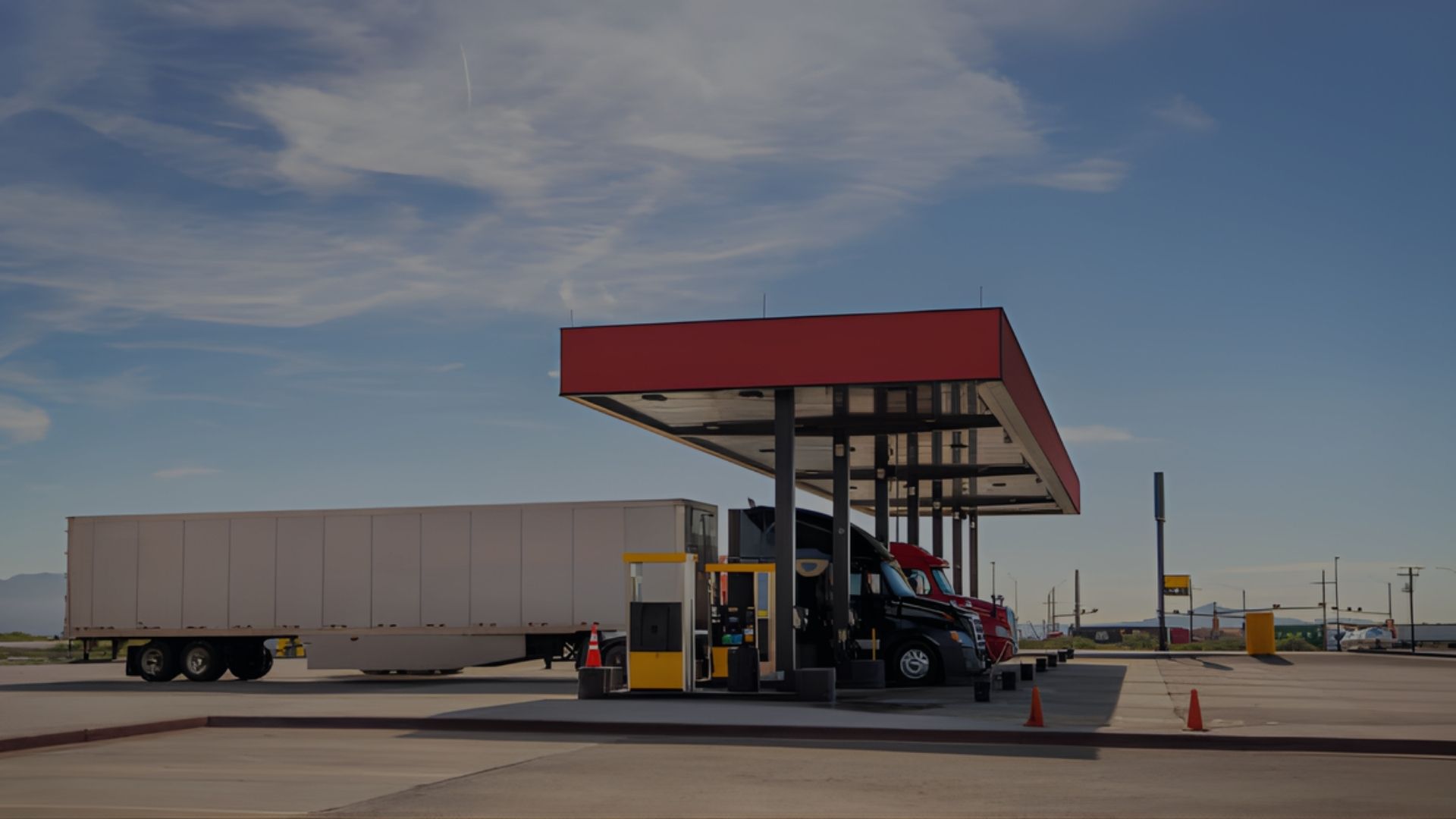
Complete Guide to Fuel Station Preventive Maintenance
Understanding Preventive Maintenance
Preventive maintenance is planned, proactive service performed before equipment fails.
Definition and Purpose
What Preventive Maintenance Is:
Systematic inspection, servicing, and replacement of components on a schedule:
- Scheduled: Performed at regular intervals, not when convenient
- Planned: Work scope defined in advance
- Proactive: Done before problems occur
- Systematic: Follows documented procedures
- Comprehensive: Covers all critical equipment
- Documented: Creates maintenance records
What Preventive Maintenance Is NOT:
- Fixing things only when they break (reactive maintenance)
- Emergency repairs
- Addressing only obvious problems
- Deferred until "convenient time"
- Optional or discretionary work
Core Objectives
Primary Goals:
- Prevent failures: Catch problems before equipment breaks
- Extend equipment life: Properly maintained equipment lasts 20-30% longer
- Maintain performance: Keep equipment operating optimally
- Reduce costs: Planned maintenance costs less than emergency repairs
- Ensure safety: Identify and correct safety hazards
- Maintain compliance: Meet regulatory requirements
- Predictable budgets: Plan maintenance costs vs surprise expenses
Types of Preventive Maintenance
TimeBased Maintenance:
Performed at regular intervals:
- Daily operator checks
- Weekly inspections
- Monthly service
- Quarterly comprehensive service
- Annual major service
- Based on calendar, not equipment condition
UsageBased Maintenance:
Performed based on utilization:
- After X number of transactions
- After X gallons dispensed
- After X hours of operation
- Based on wear and usage patterns
ConditionBased Maintenance:
Performed based on monitoring:
- When measurements indicate service needed
- Oil analysis showing contamination
- Flow rates declining
- Performance degrading
- Combines monitoring with maintenance
Predictive Maintenance:
Using data to predict failures:
- Trend analysis of performance data
- Identifying patterns preceding failures
- Scheduling maintenance before predicted failure
- Advanced approach requiring good data
For Most Fuel Stations:
Time based preventive maintenance is most practical and effective scheduled service at regular intervals regardless of condition.
Reactive vs Proactive Maintenance
Understanding the difference between maintenance approaches reveals why preventive maintenance delivers superior results.
Reactive Maintenance (Run to Failure)
What It Is:
Fix equipment only when it breaks:
- No scheduled maintenance
- Emergencydriven service
- If it ain't broke, don't fix it mentality
- Hoping equipment keeps working
- Crisis management approach
Apparent Advantages:
- No scheduled maintenance costs
- Squeeze maximum life from components
- Only pay when absolutely necessary
- Simple approach requiring no planning
Real Disadvantages:
- Higher total costs: Emergency repairs cost 2-3X planned maintenance
- Unexpected downtime: Failures occur at worst times (peak periods, holidays)
- Shortened equipment life: Equipment fails earlier, replacement needed sooner
- Revenue loss: Downtime means lost sales you never recover
- Compounding problems: One failure often causes damage to other components
- Higher parts costs: Rush shipping, premium pricing for immediate needs
- No budget predictability: Never know when major expense coming
Typical Reactive Operation:
- Annual maintenance costs appear lower (no scheduled service)
- But multiple emergency calls at $800-$2,000 each
- Plus revenue loss during downtime
- Equipment replacement 3-5 years earlier than necessary
- Hidden costs far exceed preventive maintenance investment
Proactive Maintenance (Preventive)
What It Is:
Service equipment on schedule before problems occur:
- Regular inspections and service
- Planned component replacement
- Systematic preventive actions
- Problems identified and corrected early
- Strategic approach
Advantages:
- Lower total costs: Prevent expensive failures
- Minimal unplanned downtime: Failures rare, maintenance scheduled for convenience
- Extended equipment life: Proper maintenance adds years
- Maintained performance: Equipment operates optimally
- Predictable budgets: Know maintenance costs in advance
- Better planning: Schedule service at convenient times
- Peace of mind: Confidence in equipment reliability
Investment Required:
- Scheduled preventive maintenance costs
- Appears as regular expense
- But delivers enormous returns through avoided failures
Typical Proactive Operation:
- Regular preventive maintenance investment: $2,000-$6,000 annually
- Rare emergency repairs: $500-$1,000 annually
- Equipment life extended 3-5 years
- Downtime minimal and planned
- Total cost of ownership dramatically lower
Cost Comparison Example
8Dispenser Station Over 5 Years:
Reactive Approach:
- Emergency repairs: $4,000-$8,000 annually × 5 years = $20,000-$40,000
- Revenue loss from downtime: $2,000-$5,000 annually × 5 years = $10,000-$25,000
- Early equipment replacement (1 dispenser): $8,000-$12,000
- Total 5year cost: $38,000-$77,000
Proactive Approach:
- Preventive maintenance: $3,000-$5,000 annually × 5 years = $15,000-$25,000
- Minimal emergency repairs: $500-$1,000 annually × 5 years = $2,500-$5,000
- Equipment replacement avoided
- Total 5year cost: $17,500-$30,000
Savings with Proactive: $20,500-$47,000 over 5 years
Plus intangible benefits:
- Better customer experience
- Less operational stress
- More reliable operations
- Competitive advantage
- Professional appearance maintained
Making the Transition
From Reactive to Proactive:
Many stations operate reactively and want to transition:
- Immediate transition saves money quickly
- Start with most critical equipment
- Expand program over time
- See results within months
Barriers to Overcome:
- Upfront cost: Preventive maintenance is visible expense
- Delayed benefits: Savings accrue over time
- Habit: Always done it this way
- Uncertainty: Will maintenance really prevent failures?
Reality:
Operators who transition universally report:
- Wish they'd started sooner
- Can't believe they operated reactively before
- Maintenance investment pays for itself quickly
- Operations much less stressful
- Wouldn't go back to reactive approach
What Preventive Maintenance Includes
Comprehensive preventive maintenance covers all critical systems systematically.
Fuel Dispenser Maintenance
Monthly or Quarterly Inspections:
- Visual inspection: Check for damage, leaks, wear
- Operation testing: Verify all grades and functions work
- Display testing: Verify readability and accuracy
- Payment terminal testing: Verify card processing
- Nozzle and hose inspection: Check for wear, damage, leaks
- Breakaway inspection: Verify proper operation
- Emergency shutoff testing: Verify proper function
- Dispenser sump inspection: Check for fuel or water
- Cabinet inspection: Look inside for issues
SemiAnnual Service:
- Filter replacement: Fuel filters for each product
- Nozzle maintenance: Clean, lubricate, adjust
- Hose and swivel inspection: Replace if worn
- Cabinet cleaning: Remove dust and debris
- Electrical inspection: Check wiring and connections
- Communication testing: Verify POS communication
- Calibration verification: Ensure accurate dispensing
Annual Comprehensive Service:
- Complete inspection: Every component examined
- Accuracy testing: Flow rate and accuracy verification
- Valve testing: Product selection valves tested
- Meter inspection: Verify proper operation
- Pump performance: Test submersible pump amperage
- Weights and measures: Prepare for inspection
- Complete cleaning: Inside and out
- Documentation: Complete service records
POS System Maintenance
Monthly Service:
- Hardware inspection: Check all terminals and peripherals
- Software updates: Install security and feature updates
- Database optimization: Improve performance
- Backup verification: Confirm backups completing successfully
- Disk space check: Ensure adequate storage
- Printer maintenance: Clean and test
- Network testing: Verify all connections
- Security updates: Antivirus and security patches
Quarterly Service:
- Complete system inspection: All hardware components
- Performance testing: Verify response times acceptable
- Transaction testing: Test all transaction types
- Payment terminal testing: Verify card processing
- Dispenser communication testing: Verify fuel authorization
- Report generation testing: Verify reporting functional
- User account review: Verify appropriate access
- Training update: Refresh staff on best practices
Annual Service:
- Hardware cleaning: Deep clean all components
- Software review: Assess need for upgrades
- Database maintenance: Complete optimization
- Backup restore test: Verify backup recovery works
- Network review: Assess performance and security
- Security assessment: Review and improve security
- Documentation update: Update system documentation
Strategic planning: Discuss upgrades and improvements
Tank Monitoring Maintenance
Monthly Inspections:
- Console inspection: Verify proper operation
- Alarm testing: Test leak detection alarms
- Probe communication: Verify all probes responding
- Inventory accuracy: Check reconciliation
- Remote monitoring: Verify online access working
- Notification testing: Verify alerts functioning
Quarterly Service:
- Complete system testing: All functions verified
- Calibration verification: Ensure accurate readings
- Alarm threshold review: Verify appropriate settings
- Data review: Check for trends or concerns
- Probe cleaning: Clean external probe surfaces
- Documentation review: Verify compliance records current
Annual Service:
- Complete inspection: Console and probes
- Accuracy verification: Compare to physical measurements
- Leak detection testing: Full system test
- Probe calibration: Recalibrate if needed
- Communication testing: Verify all interfaces
- Compliance documentation: Prepare for inspections
- System optimization: Tune for best performance
Canopy and Electrical Systems
Monthly Inspections:
- Lighting inspection: All lights operational
- Emergency shutoff: Test operation
- Electrical panels: Visual inspection, no issues
- GFCI outlets: Test and reset
- Visible wiring: Check for damage
Quarterly Service:
- Lighting cleaning: Clean fixtures and lenses
- Electrical testing: Test outlets and circuits
- Connection inspection: Check all connection points
- Grounding verification: Test grounding system
- Load testing: Verify proper electrical capacity
Annual Service:
- Complete electrical inspection: All systems tested
- Emergency shutoff testing: Complete function test
- Lighting assessment: Evaluate for LED upgrade
- Infrared inspection: Detect hot spots/issues
- Code compliance review: Verify meets current codes
- Preventive upgrades: Recommend improvements
Site and Building
Quarterly Inspections:
- Concrete inspection: Cracks, deterioration, safety hazards
- Canopy structure: Check for damage or wear
- Signage inspection: Verify proper operation and appearance
- Drainage: Check site drainage functioning
- Landscaping: Maintain appearance and drainage
- Security systems: Test cameras and lighting
Annual Service:
- Complete site assessment: All infrastructure reviewed
- Canopy inspection: Structural integrity verified
- Underground assessment: Evaluate need for piping inspection
- Safety review: Identify and correct hazards
- Compliance review: Verify regulatory compliance
- Strategic planning: Discuss needed improvements
Maintenance Schedules and Frequency
Appropriate maintenance frequency balances thoroughness with costeffectiveness.
Daily Operator Tasks (5-10 minutes)
Visual WalkAround:
- Look at each dispenser for obvious problems
- Check displays working
- Look for leaks or fuel stains
- Verify lighting operational
- Check for damage or issues
- Report problems immediately
Quick Functional Tests:
- Process one or two test transactions
- Verify pumps authorize normally
- Check receipt printing
- Verify POS system responsive
Basic Housekeeping:
- Empty trash receptacles
- Clean windshield washer stations
- Wipe down obviously dirty surfaces
- Maintain professional appearance
Weekly Tasks (15-30 minutes)
Equipment Inspections:
- Test each dispenser and grade
- Inspect nozzles and hoses closely
- Check payment terminals at pumps
- Verify tank monitoring displaying correctly
- Check POS backup status
- Inspect highuse areas
Cleaning and Maintenance:
- Clean dispenser card readers
- Wipe down touchscreens
- Replace receipt paper before running out
- Clean barcode scanners
- General equipment cleaning
Administrative:
- Review backup logs
- Check for any error messages
- Review pending alerts or notifications
- Note any developing issues
Monthly Service (12 hours)
Detailed Inspections:
- Comprehensive dispenser inspection
- POS system complete check
- Tank monitoring full test
- Electrical system inspection
- Safety system testing
Preventive Actions:
- Minor adjustments and tuning
- Lubrication where needed
- Clean critical components
- Verify proper operation
- Document findings
Best Done By: Professional service technician with expertise
Quarterly Service (24 hours)
Comprehensive Service:
- Complete equipment servicing
- Filter replacements
- Wear item replacement
- Performance testing
- Calibration verification
- Complete documentation
System Optimization:
- Finetune performance
- Update software and firmware
- Network optimization
- Address minor issues before they grow
Best Done By: Professional service technician, essential for quality
Annual Service (48 hours)
Major Preventive Maintenance:
- Complete comprehensive inspection
- Major wear item replacement
- Complete calibration and testing
- Compliance testing and certification
- Strategic assessment and recommendations
- Complete documentation for year
Planning and Strategy:
- Review equipment condition
- Plan for future needs
- Identify upgrade opportunities
- Budget planning for next year
Must Be Done By: Professional service technician, critical for compliance and thoroughness
Recommended Approach
For Most Fuel Stations:
- Daily: Operator walkaround and basic checks
- Weekly: Operator detailed inspection and cleaning
- Quarterly: Professional preventive maintenance service
- Annual: Professional comprehensive service and compliance testing
This balance maximizes reliability while managing costs effectively.
EquipmentSpecific Maintenance
Different equipment requires specific maintenance attention.
Fuel Dispensers
Critical Maintenance Tasks:
Filters (Every 6-12 months):
- Product filters catch contamination
- Clogged filters restrict flow
- Schedule replacement before restriction
- Replace all filters same visit for efficiency
Nozzles and Hoses (Monitor continuously, replace as needed):
- Inspect weekly for wear, cracks, leaks
- Test automatic shutoff functionality
- Replace hoses every 5-7 years typical
- Replace nozzles every 3-5 years or when worn
- Don't wait for complete failure
Breakaways (Inspect regularly, replace when activated):
- Test periodically for proper separation
- Replace after activation (driveoff)
- Visual inspection for damage
- Replace if showing wear or corrosion
Calibration (Verify annually minimum):
- Required for weights and measures compliance
- Accuracy verification using test measures
- Adjustment if readings outside tolerance
- Documentation for inspection
Payment Terminals (Clean monthly, test regularly):
- Clean card reader slots carefully
- Test all payment types
- Update firmware and software
- Verify merchant account current
Common Dispenser Failures Prevented:
- Slow flow from clogged filters
- Leaks from worn hoses
- Inaccuracy from calibration drift
- Authorization problems from dirty terminals
- Safety issues from worn breakaways
PointofSale Systems
Critical Maintenance Tasks:
Database Optimization (Monthly):
- Improves performance and reliability
- Reduces corruption risk
- Maintains query speed
- Essential for large transaction volumes
Backup Verification (Daily/Weekly):
- Verify backups completing automatically
- Test restore procedure periodically
- Maintain offsite backup copies
- Your insurance against data loss
Software Updates (Monthly):
- Security patches critical
- Bug fixes improve reliability
- Feature enhancements
- Payment processing compliance
Hardware Cleaning (Quarterly):
- Clean touchscreens, keyboards, mice
- Clean printer mechanisms
- Clean computer internals (dust removal)
- Extends hardware life significantly
Receipt Printers (Monthly attention):
- Clean print heads regularly
- Replace worn parts promptly
- Keep quality paper in stock
- Printers fail without maintenance
Common POS Failures Prevented:
- System crashes from software issues
- Data loss from hardware failures
- Slow performance from database bloat
- Transaction problems from communication issues
- Payment processing failures from outdated software
Tank Monitoring Systems
Critical Maintenance Tasks:
Probe Calibration Verification (Annually):
- Compare readings to physical measurements
- Verify accuracy across operating range
- Adjust if discrepancies found
- Required for reliable inventory data
Alarm Testing (Monthly):
- Test leak detection alarms
- Verify notification systems working
- Ensure proper threshold settings
- Critical for compliance and early warning
Console Maintenance (Quarterly):
- Clean console exterior and screen
- Verify all functions operational
- Check for software updates
- Test remote monitoring access
Data Review and Analysis (Monthly):
- Review inventory reconciliation
- Look for trends indicating problems
- Verify delivery detection accurate
- Check for unusual variances
Common Tank Monitoring Failures Prevented:
- False leak alarms from calibration drift
- Missed real leaks from system failure
- Inaccurate inventory from probe problems
- Communication failures from neglect
Compliance violations from system down
Electrical Systems
Critical Maintenance Tasks:
Connection Inspection (Quarterly):
- Check all electrical connections
- Look for corrosion or damage
- Tighten loose connections
- Prevent overheating and failures
Grounding Verification (Annually):
- Test grounding system integrity
- Ensure proper static protection
- Required for safety
- Prevents equipment damage
Emergency Shutoff Testing (Monthly):
- Test all Estop buttons
- Verify proper operation
- Ensure system resets properly
- Critical safety system
Load Testing (Annually):
- Verify electrical capacity adequate
- Check for overloaded circuits
- Identify potential problems
- Plan for expansions
Infrared Inspection (Annually):
- Detect hot spots invisible to eye
- Identify failing connections
- Prevent fires and failures
- Professional assessment valuable
Common Electrical Failures Prevented:
- Circuit breaker failures from overload
- Equipment damage from power issues
- Fire hazards from overheating
- Safety system failures
- Regulatory violations
Operator vs Professional Maintenance
Understanding what operators should do versus what requires professionals optimizes maintenance effectiveness and safety.
What Operators Should Do
Daily and Weekly Tasks:
Safe, simple activities requiring no special training:
Visual Inspections:
- Walk property looking for obvious issues
- Check for leaks, damage, or problems
- Verify equipment appears operational
- Report issues to professional service
Basic Functional Testing:
- Process test transactions
- Verify dispensers authorize
- Check all grades operational
- Test receipt printing
Simple Cleaning:
- Wipe touchscreens and displays
- Clean card readers (exterior only)
- General equipment cleaning
- Maintain professional appearance
Basic Supplies Management:
- Replace receipt paper
- Stock cleaning supplies
- Maintain windshield washer fluid
- Keep trash receptacles emptied
Documentation:
- Note problems as they occur
- Report issues promptly
- Keep maintenance logs if requested
- Communicate with service provider
What Requires Professional Service
Technical Maintenance:
Requires training, tools, and expertise:
Equipment Servicing:
- Opening fuel dispensers for internal work
- Filter replacements (fuel system work)
- Calibration and accuracy testing
- Valve repairs or adjustments
- Pump testing and servicing
- Payment terminal repairs or configuration
POS System Work:
- Database maintenance and optimization
- Software updates and configuration
- Hardware repairs or replacement
- Network troubleshooting and repair
- Backup configuration and testing
- Integration work
Tank Monitoring:
- Probe calibration or replacement
- Console repairs or configuration
- Leak detection system testing
- Compliance testing and certification
- System troubleshooting
Electrical Work:
- Any electrical repairs
- Circuit work
- Grounding system testing
- Emergency shutoff testing and repair
- Code compliance work
Why Professional Service Required:
- Safety: Fuel systems, electrical systems hazardous
- Training: Requires factory training and expertise
- Tools: Specialized equipment needed
- Warranty: Unauthorized work voids warranties
- Compliance: Regulations require qualified personnel
- Liability: Proper insurance and licensing required
- Quality: Experience ensures work done right
Optimal Division of Responsibility
Operators Focus On:
- Daily attention and awareness
- Simple cleaning and appearance
- Early problem identification
- Communication with professionals
- Supporting professional service visits
Professionals Focus On:
- Technical maintenance and repairs
- Specialized testing and calibration
- Complex troubleshooting
- Component replacement
- Compliance testing
- Strategic recommendations
This division maximizes equipment reliability while controlling costs operators handle what they can safely do, professionals handle everything else.
Preventive Maintenance Programs
Structured programs ensure comprehensive, consistent preventive maintenance.
Program Components
Complete Preventive Maintenance Program Includes:
- Scheduled service: Regular visits at defined intervals
- Comprehensive inspections: All critical equipment covered
- Preventive actions: Adjustments, lubrication, cleaning
- Parts included: Filters, wear items, minor parts
- Priority service: Faster response for urgent needs
- Discounted repairs: Lower rates for noncovered repairs
- Documentation: Complete maintenance records
- Reporting: Performance trends and recommendations
Empire Petroleum Services Programs
Bronze Package Basic Protection:
Annual preventive maintenance:
- One comprehensive annual service visit
- Complete equipment inspection
- Minor adjustments and lubrication
- Filter replacements included
- Detailed inspection report
- Priority scheduling for repairs
- 10% discount on noncovered repairs
Ideal For:
- Smaller stations (2-4 dispensers)
- Newer equipment in good condition
- Budget conscious operators
- Supplement to operator maintenance
Typical Investment: $1,200-$2,000 annually
Silver Package Comprehensive Care:
Quarterly preventive maintenance:
- Four comprehensive service visits annually (quarterly)
- Complete equipment inspection each visit
- All scheduled maintenance performed
- Filters and minor wear items included
- Priority emergency response
- 15% discount on noncovered repairs
- Annual DEC compliance testing included
- Detailed maintenance logs provided
Ideal For:
- Medium stations (4-8 dispensers)
- Equipment 5-15 years old
- Operators wanting good coverage
- Balance of protection and cost
Typical Investment: $3,500-$5,500 annually
Gold Package Total Care:
Monthly preventive maintenance plus comprehensive coverage:
- Twelve monthly service visits
- Complete monthly inspections
- All preventive maintenance included
- All filters and wear items included
- Immediate priority emergency response
- 20% discount on noncovered repairs
- All compliance testing included (DEC annual testing)
- Equipment performance monitoring and trending
- Quarterly management reports
- Annual strategic equipment assessment
Ideal For:
- Large stations (8+ dispensers)
- High volume operations
- Operators wanting maximum protection
- Equipment critical to operations
- Multilocation operations
Typical Investment: $6,000-$9,000 annually
Custom Programs:
We design programs for specific needs:
- Multilocation operators with volume pricing
- Equipment specific programs (dispensers only, etc.)
- High volume operations with intensive needs
- Unique requirements or situations
Contact us to discuss maintenance programs
Program Benefits
All Programs Include:
- Scheduled service: Regular visits prevent problems
- Priority response: Faster service when emergencies occur
- Discounted repairs: Lower rates for noncovered work
- Documentation: Complete maintenance records
- Parts management: Professional parts selection and stocking
- Expertise: Factorytrained technicians
- Planning: Strategic recommendations for equipment
- Peace of mind: Confidence in equipment reliability
Additional Gold Program Benefits:
- Maximum coverage: Monthly attention catches everything early
- Performance monitoring: Trend analysis identifies developing issues
- Strategic planning: Annual assessment and planning
- Comprehensive reports: Management visibility into equipment condition
- Minimal unplanned downtime: Problems caught before failure
Selecting the Right Program
Consider These Factors:
- Station size: Larger stations benefit from more frequent service
- Equipment age: Older equipment needs more attention
- Transaction volume: High volume accelerates wear
- Current condition: Poor condition needs more service initially
- Operating hours: Extended hours increase wear
- Budget: Balance coverage with investment
- Risk tolerance: How much downtime can you accept?
General Recommendations:
- New equipment (0-5 years): Bronze or Silver sufficient
- Middle age equipment (5-15 years): Silver recommended
- Older equipment (15+ years): Gold recommended for maximum protection
- High volume (any age): Silver or Gold for frequent attention
- Critical operations: Gold for maximum reliability
Return on Investment Analysis
Preventive maintenance delivers strong financial returns through multiple mechanisms.
Direct Cost Savings
Emergency Repairs Avoided:
- Emergency service costs: $1,000-$2,500 per call typical (afterhours premium)
- Preventive catches problems: Before emergency occurs
- Repairs cost less: Planned repair 30-50% less than emergency
- One avoided emergency: Often pays for quarterly preventive maintenance
Example:
- Quarterly preventive identifies worn pump, plans replacement
- Cost: $800 parts + $400 labor = $1,200 total
- Emergency pump failure would have cost: $1,200 parts + $1,000 emergency labor = $2,200
- Savings: $1,000 plus avoided downtime
Component Life Extension:
- Proper maintenance extends life: 20-30% longer typical
- Example: $10,000 dispenser lasts 20 years vs 15 years without maintenance
- Value: Extra 5 years × avoided replacement cost
- Savings: $2,500 depreciation avoided plus inflation
Early Problem Detection:
- Minor problems caught early cost less to fix
- Example: Small leak caught in inspection: $300 repair
- Same leak undiscovered becomes major: $2,000+ repair plus environmental
- Savings: $1,700+ plus avoided complications
Downtime Prevention
Revenue Loss Avoided:
- Single dispenser down loses $500-$2,000 per day:
- Preventive maintenance scheduled: Convenient time, minimal impact
- Emergency failure: Occurs during peak periods, maximum impact
- Downtime value: Often exceeds repair cost
Example:
- Emergency dispenser failure Saturday afternoon (peak)
- Service response: 2 hours, repair: 2 hours = 4 hours downtime
- Revenue loss: $500 (partial day, one dispenser)
- Plus repair cost: $1,500
- Total impact: $2,000
With preventive maintenance:
- Problem caught during quarterly service
- Repair scheduled Tuesday morning (slow period)
- No revenue impact
- Repair cost: $800 (planned work, lower rate)
- Impact: $800 saves $1,200
Operational Efficiency
Labor Savings:
- Less time dealing with equipment problems
- Fewer emergency calls to service
- Better planning and scheduling
- More time for business operations
- Value: 2-5 hours monthly × manager hourly rate
Inventory Optimization:
- Better fuel inventory management from working tank monitoring
- Reduced shrinkage from accurate monitoring
- Optimized purchasing from reliable data
- Value: $2,000-$10,000 annually
Customer Satisfaction:
- Reliable equipment creates better experience
- Fewer "Out of Service" dispensers
- Faster transactions from wellmaintained equipment
- Professional appearance maintained
- Value: Customer retention and loyalty (difficult to quantify but real)
ROI Calculation Example
8Dispenser Station:
Annual Preventive Maintenance Investment (Silver Program):
Quarterly service: $4,500 annually
Annual Returns:
- Emergency repairs avoided (2-3 calls): $3,00-$6,000
- Downtime prevention (2-3 incidents): $2,000-$5,000
- Extended equipment life: $1,500-$3,000 (depreciation)
- Operational efficiency: $1,000-$2,000
- Total annual benefit: $7,500-$16,000
- Net Annual Benefit: $3,000-$11,500
- ROI: 67%-256%
- Payback Period: 412 months
5Year Analysis:
- 5year investment: $22,500
- 5year benefits: $37,500-$80,000
- Net 5year benefit: $15,000-$57,500
- 5year ROI: 67%-256%
Plus major equipment failures avoided (can cost $5,000-$15,000+ each).
Intangible Benefits
Not Easily Quantified But Valuable:
- Peace of mind: Confidence equipment will work
- Reduced stress: Fewer middleofnight emergencies
- Professional operation: Wellmaintained station
- Competitive advantage: Reliability attracts customers
- Employee satisfaction: Working equipment easier to operate
- Property value: Wellmaintained infrastructure worth more
- Better sleep: Not worrying about equipment
These Often Matter Most:
Many operators report peace of mind and reduced stress as primary benefit the financial returns are just bonus.
Creating a Maintenance Plan
Developing and implementing effective maintenance programs.
Assessment Phase
Understand Current State:
- Equipment inventory: List all critical equipment
- Age and condition: Document when installed, current condition
- Maintenance history: What's been done (or not done)
- Known problems: Current issues needing attention
- Failure patterns: What tends to fail
Identify Priorities:
- Critical equipment: What's most important for operations
- Highrisk equipment: What's most likely to fail
- Most costly failures: What costs most when it fails
- Regulatory requirements: What must be maintained for compliance
Define Objectives:
- What do you want to achieve?
- Reduce downtime by X%?
- Eliminate emergency repairs?
- Extend equipment life?
- Improve compliance?
- Reduce maintenance costs?
Program Design
Select Maintenance Intervals:
Based on equipment, usage, and objectives:
- Daily: Operator checks and basic tasks
- Weekly: Operator inspections
- Monthly, Quarterly, or Annual: Professional service
Define Scope:
What will be included in each service:
- Inspection items
- Preventive actions
- Parts included
- Testing requirements
- Documentation
Establish Schedule:
When will service occur:
- Specific calendar dates
- Day of week and time
- Coordination with operations
- Backup dates if needed
Implementation
Select Service Provider:
Choose professional maintenance provider:
- Expertise and training
- Equipment coverage
- Response capabilities
- Pricing and programs
- References and reputation
Launch Program:
- Schedule initial comprehensive service
- Identify and address immediate needs
- Establish baseline documentation
- Train operators on their responsibilities
- Begin scheduled maintenance
Operator Training:
Ensure staff understand:
- Their daily/weekly responsibilities
- How to report problems
- When to call for service
- Maintenance schedule
- Documentation requirements
Ongoing Management
Monitor Performance:
- Are scheduled services occurring?
- Is equipment reliability improving?
- Are emergency calls decreasing?
- Is documentation complete?
- Are objectives being achieved?
Review and Adjust:
- Quarterly program review
- Adjust frequency if needed
- Expand or reduce scope based on results
- Update based on experience
- Optimize for costeffectiveness
Communication:
- Regular updates from service provider
- Management reports on equipment condition
- Planning discussions for future needs
- Budget planning for next year
- Strategic equipment decisions
Documentation and Record Keeping
Comprehensive documentation supports effective maintenance and compliance.
Why Documentation Matters
Benefits of Good Records:
- Compliance: Required for regulatory inspections
- History: Know what's been done to equipment
- Trends: Identify developing problems
- Budgeting: Plan future maintenance expenses
- Warranty: Support warranty claims
- Sale preparation: Document equipment care for buyers
- Analysis: Evaluate maintenance effectiveness
What to Document
Service Records:
For each maintenance visit:
- Date and time of service
- Technician name and credentials
- Equipment serviced
- Work performed (detailed description)
- Parts replaced
- Problems identified
- Recommendations
- Next service due date
- Costs
Equipment History:
For each piece of equipment:
- Make, model, serial number
- Installation date
- Complete service history
- Major repairs and replacements
- Performance trends
- Current condition assessment
- Maintenance schedule
Compliance Testing:
For regulatory requirements:
- Test type and date
- Test results
- Pass/fail status
- Corrective actions if needed
- Certification documentation
- Inspector information
- Next test due date
Problems and Failures:
When equipment fails:
- Date and time
- Symptoms and problem description
- Downtime duration
- Repair actions
- Root cause analysis
- Preventive actions to avoid recurrence
- Cost of failure (repair + downtime)
Documentation Systems
Paper Records:
Traditional approach:
- Maintenance log binders
- Service receipts filed
- Equipment folders
- Simple and reliable
- But hard to analyze trends
Digital Records:
Modern approach:
- Computerized maintenance management
- Digital copies of service reports
- Easy search and analysis
- Backup protection important
- Trend analysis possible
Service Provider Documentation:
Professional maintenance programs provide:
- Complete service reports each visit
- Equipment history tracking
- Trend analysis and recommendations
- Digital and paper copies
- Accessible anytime
Using Documentation
Regular Review:
- Monthly: Review recent service and upcoming schedule
- Quarterly: Analyze trends and patterns
- Annually: Complete equipment assessment and planning
Decision Support:
Documentation helps with:
- Repair vs replace decisions
- Budget planning
- Equipment upgrade timing
- Service program adjustment
- Regulatory compliance
Seasonal Maintenance Considerations
New York's extreme seasonal changes require specific attention.
Winter Preparation (October-November)
Cold Weather Readiness:
Fuel System:
- Winterize diesel fuel systems (additives, check heaters)
- Verify dispenser heaters operational
- Check for water in underground tanks (freeze risk)
- Ensure proper fuel treatment
- Stock coldweather emergency supplies
Electrical and Heating:
- Test emergency shutoff systems in cold
- Verify backup power systems functional
- Check dispenser cabinet heaters
- Test building heating systems
- Prepare for power outage scenarios
Site Preparation:
- Inspect and repair concrete before freeze/thaw
- Ensure proper drainage to prevent ice
- Check canopy for ice dam risks
- Prepare snow removal equipment
- Stock ice melt and sand
Equipment Protection:
- Protect exposed piping from freezing
- Verify insulation adequate
- Check for water infiltration points
- Prepare for extreme cold operation
Spring Maintenance (April-May)
PostWinter Assessment:
Damage Inspection:
- Check concrete for freeze/thaw damage
- Inspect canopy for winter damage
- Assess underground infrastructure
- Check dispensers for winter wear
- Verify electrical systems intact
System Refresh:
- Change fuel filters (winter contamination)
- Clean dispensers inside and out
- Test all systems after winter stress
- Address any winterrelated problems
- Prepare for summer volume
Site Cleanup:
- Pressure wash surfaces
- Repair concrete and asphalt
- Fresh striping and markings
- Landscaping and appearance
- Professional appearance for spring
Summer Preparation (May-June)
Hot Weather Readiness:
Fuel System:
- Monitor for vapor lock issues
- Verify submersible pump cooling adequate
- Check for thermal expansion issues
- Ensure proper venting
- Prepare for highvolume operation
Cooling and Ventilation:
- Verify dispenser ventilation adequate
- Check POS system cooling
- Ensure air conditioning operational
- Verify backup power for cooling loads
- Monitor temperaturesensitive equipment
High Volume Preparation:
- Comprehensive equipment inspection
- Replace any marginal components
- Extra parts inventory for busy season
- Backup equipment checked
- Staff training refresher
Fall Maintenance (September-October)
Winter Preparation:
System Winterization:
- Add fuel treatment for winter grades
- Test heating systems before needed
- Verify backup power before storm season
- Check insulation and weatherproofing
- Prepare for reduced daylight operation
Equipment Assessment:
- Address any problems before winter
- Replace marginal components now
- Complete any major maintenance before cold
- Stock critical parts for winter
- Update emergency contact information
Site Preparation:
- Repair concrete and asphalt before freeze
- Ensure proper drainage established
- Prepare snow removal contracts
- Stock emergency supplies
- Winterize outdoor equipment
YearRound Attention
Every Season:
- Adapt operator attention to seasonal concerns
- Professional service addresses seasonal issues
- Plan major work for appropriate season
- Document seasonal patterns
- Prepare for next season during current season
Getting Started with Preventive Maintenance
Steps to transition from reactive to proactive maintenance.
Step 1: Assess Current Situation
Evaluate Equipment:
- Age and condition of all critical equipment
- Known problems and concerns
- Maintenance history (if any)
- Recent failures and repairs
- Compliance status
Analyze Costs:
- Last year's emergency repair costs
- Downtime and revenue loss
- Equipment replacement expenditures
- Current maintenance spending
- Total cost of reactive approach
Identify Needs:
- What needs immediate attention
- What's most critical for operations
- What's most likely to fail soon
- Compliance requirements
- Budget available
Step 2: Define Objectives
- What Do You Want to Achieve?
- Reduce emergency repairs?
- Minimize downtime?
- Extend equipment life?
- Improve compliance?
- Predictable budgets?
- Peace of mind?
Set Measurable Goals:
- Reduce emergency calls by 75%
- Eliminate unplanned downtime
- Extend equipment life 5 years
- Maintain 99%+ uptime
- Zero compliance violations
Step 3: Select Service Provider
Choose Professional Maintenance Provider:
Look for:
- Fuel station expertise
- Factory training and certifications
- Comprehensive capabilities
- 24/7 emergency response
- Good reputation and references
- Appropriate service area coverage
- Clear program options and pricing
Empire Petroleum Services Offers:
- 20+ years fuel station experience
- Factorytrained Gilbarco technicians
- Comprehensive equipment coverage
- 24/7 emergency response
- Flexible program options
- Serving all Western New York
Step 4: Select Program
Choose Appropriate Program Level:
Based on assessment and needs:
- Bronze: Basic protection, annual service
- Silver: Comprehensive care, quarterly service
- Gold: Maximum protection, monthly service
- Custom: Tailored to specific needs
Consider:
- Equipment age and condition
- Budget available
- Risk tolerance
- Operational criticality
- Volume and usage
Step 5: Launch Program
Initial Steps:
- Schedule comprehensive initial service
- Address immediate needs
- Establish baseline documentation
- Set ongoing schedule
- Train staff on procedures
Initial Service Visit:
- Complete equipment assessment
- Identify and prioritize issues
- Perform critical preventive maintenance
- Document all findings
- Create ongoing plan
Step 6: Maintain and Optimize
Ongoing Program Management:
- Follow scheduled maintenance
- Document all service
- Monitor results
- Communicate with provider
- Adjust program as needed
Continuous Improvement:
- Quarterly program review
- Annual strategic assessment
- Expand or adjust based on results
- Optimize for best results
- Plan for future needs
Making the Decision
Common Questions:
- Can I afford preventive maintenance? Can you afford NOT to?
- Will it really prevent failures? Yes, that's what it's designed for
- Should I start now? Sooner you start, sooner you see benefits
Take Action:
- The hardest part is deciding to start once you begin preventive maintenance, you'll wonder why you waited.
Implement Professional Preventive Maintenance
Stop operating reactively and start preventing problems before they occur. Empire Petroleum Services provides comprehensive preventive maintenance programs for fuel stations throughout Western New York from basic annual service to complete monthly care programs.
Schedule Free Consultation
Contact Empire Petroleum Services:
Phone: 7163911717
Email: service@epsofny.com
Office: 6515 Transit Rd 24, Bowmansville, NY 14026
Business Hours: Monday-Friday, 7:30 AM - 4:30 PM EST
Request Preventive Maintenance Information
What You'll Receive
Free Consultation Includes:
- Assessment of current equipment and maintenance
- Discussion of operational needs and concerns
- Program recommendations
- Pricing for appropriate program level
- ROI analysis
- Implementation plan
- No obligation
Why Choose EPS for Preventive Maintenance
Fuel Station Expertise:
- 20+ years serving New York fuel stations
- Deep understanding of equipment and operations
- Experience with all major brands
- Know what fails and how to prevent it
Comprehensive Capabilities:
- Gilbarco authorized service (dispensers, POS, tank monitoring)
- All major equipment brands serviced
- Electrical and infrastructure
- Complete maintenance coverage
Flexible Programs:
- Multiple program levels to fit needs
- Custom programs available
- Multilocation volume pricing
- Adapt to your requirements
Proven Results:
- Customers report dramatic downtime reduction
- Emergency repairs drop 70-90%
- Equipment life extended significantly
- Operations more reliable and less stressful
